
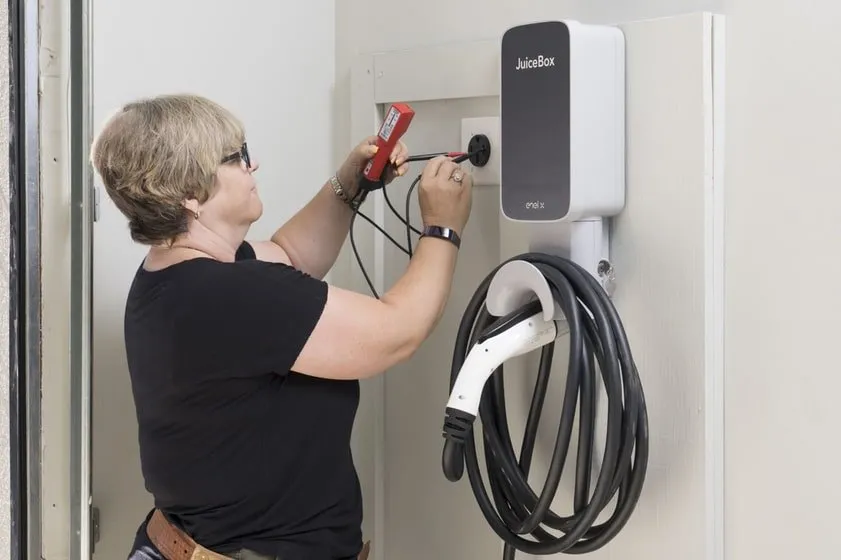



Smart charging regulations and earthing explained
Under the Electric Vehicles (Smart Charge Points) Regulations 2021, charge points installed in homes and workplaces must have smart functionality. That means they can be connected to the internet, set to charge outside peak hours by default, include a randomised delay at the start of charging to help the grid, measure energy use, and meet security requirements. In practice, any reputable charger you buy today will comply; the installer's job is to set it up properly and make sure you can use the scheduling to take advantage of cheaper overnight rates.
Earthing is where many cheap installations go wrong. Most UK homes have a PME (TN-C-S) earth, where the earth and neutral are combined in the supply cable. If that combined conductor breaks, known as an open-PEN fault, metalwork connected to the earth, including your car's bodywork, could become live. BS 7671 requires protection against this for EV charge points. That's done either with a charger that has built-in open-PEN detection, which disconnects automatically, or by installing a separate earth electrode. We'll explain which approach suits your property and why.